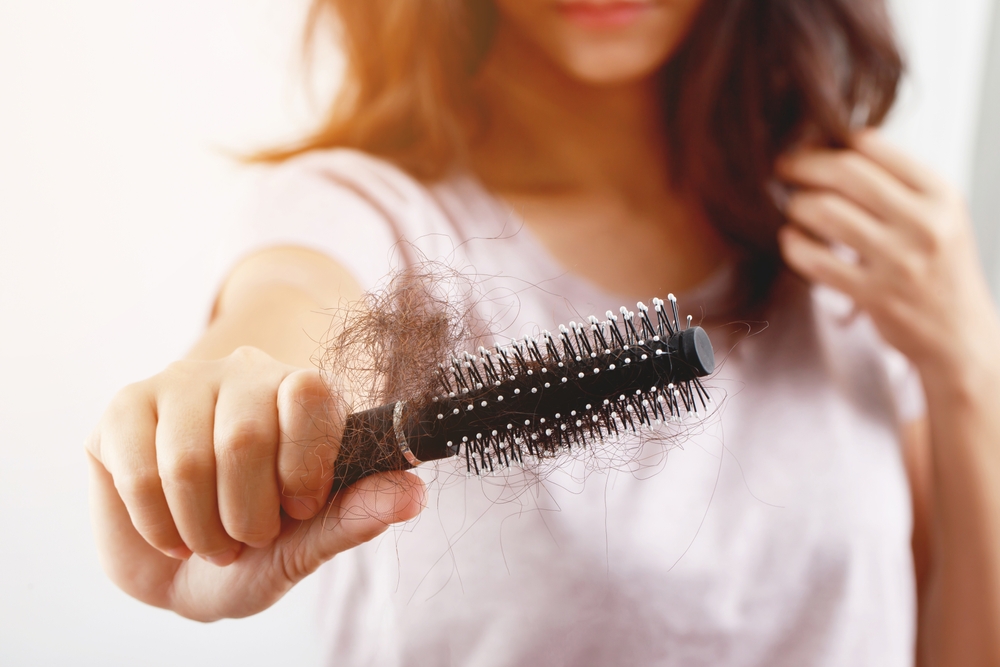
Hair loss can lead to feelings of distress and confusion if it happens before we expect it to. In order for you to receive appropriate treatment for your hair loss and maintain healthy hair over the long term, you first need to understand what has caused you to lose hair, whether it be an indication of a receding hairline, thinning hair at the crown, or just an overall loss of hair.
Genetics and Pattern Hair Loss
The leading cause of hair loss in males and females are genetic factors. Androgenetic alopecia (also known as male or female pattern baldness) can result in a receding hairline, crown/vertex baldness and thinning hair over time. Taking action to treat hair loss through hair regrowth therapy early can slow down the progression of hair loss.
Hormonal Imbalances
For conditions which affect hormone levels, such as: Polycystic Ovarian Syndrome (PCOS), Thyroid Disorders, Pregnancy or Post Menopause, it is imperative that you utilise a hair loss treatment that is based on Hormonal Hair Loss (HHL). Women typically experience hair loss due to hormonal fluctuations, leading to excessive shedding and thinning of hair follicles. Effective HHL treatment plans will generally consist of Both-Medical treatment & Lifestyle changes.
Stress and Lifestyle Factors
Hair fall can increase due to chronic stress, sleep disturbances, crash dieting, and smoking. It’s common
for hair to shed temporarily (Telogen effluvium) as a result of a physical or emotional trauma. Adopting a healthy diet, managing stress, and using gentle treatments to minimise hair fall may help to decrease the risk of preventable hair loss.
Nutritional Deficiencies
Hair loss can be affected by deficiencies in such nutrients as iron, vitamin D, zinc and protein. The positive benefits of targeted nutrition, supplements, and optimum scalp health are well-documented for individuals experiencing hair thinning problems with these nutrients.
Harsh Hair and Scalp Habits
Continuous use of heated styling instruments, wearing your hair in constant tension through tight styles, chemical treatments and using products that are too harsh on the hair shaft all contribute to the breakage and weakened state of hair follicles. Suitable scalp care for individuals experiencing hair loss includes using gentle products, not brushing hair aggressively and avoiding overprocessing hair.
Medical Conditions and Medications
Several things may cause hair loss such as autoimmune conditions, scalp infection and medications (eg. some blood pressure medications, chemotherapy). If you suspect a medical condition, see your dermatologist or trichologist, who will help determine the most effective treatment plan to treat pattern baldness in men or women.
Aging and Reduced Growth Cycles
As you get older, hair grows at a slower rate, each hair becomes thinner, and there is an increase in the number of hairs that fall out. To help slow down the progression of male/female pattern baldness, treatment generally focuses on stimulating the growth of dormant hair follicles and enhancing blood flow to the scalp.
Post‑illness or Post‑Surgery Shedding
Occasionally, hair loss may indicate an underlying chronic medical condition such as diabetes, lupus or severe anaemia. In these instances, it is critical that you resolve any medical issues so that future hair restoration efforts will be successful.
Poor Scalp Health and Inflammation
Should you experience acute hair loss, temporary bald spots, or ongoing thinning of your hairline, a visit to the dermatologist should be your next step in finding out if you require hair loss treatment by gender; otherwise, you may be told to follow through with the gradual loss of hair on your crown. Early diagnosis and treatment of male or female hair loss can often yield superior outcomes for regrowing the hair than if
you wait for symptoms to progress.
When to Seek Professional Help
Consult a dermatologist or hair specialist at Cutis International if you experience a sudden or severe amount of hair falling out, have patchy areas of baldness, or are steadily losing hair in your hairline. The specialists at Cutis International will help you determine whether you need to follow a hair loss treatment for men, hair loss treatment for women, or more advanced treatment protocol for crown baldness based on your individual situation. Further, by diagnosing your hair loss as soon as possible at Cutis International, you will have the opportunity to achieve better results with subsequent hair regrowth treatments and/or more minimally invasive procedures.
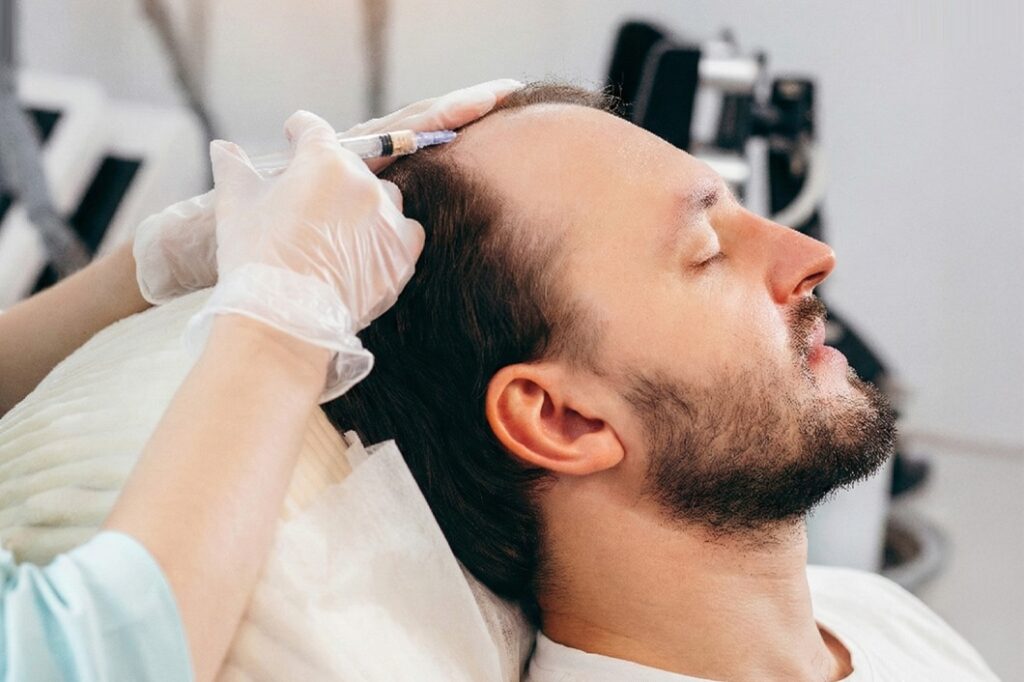
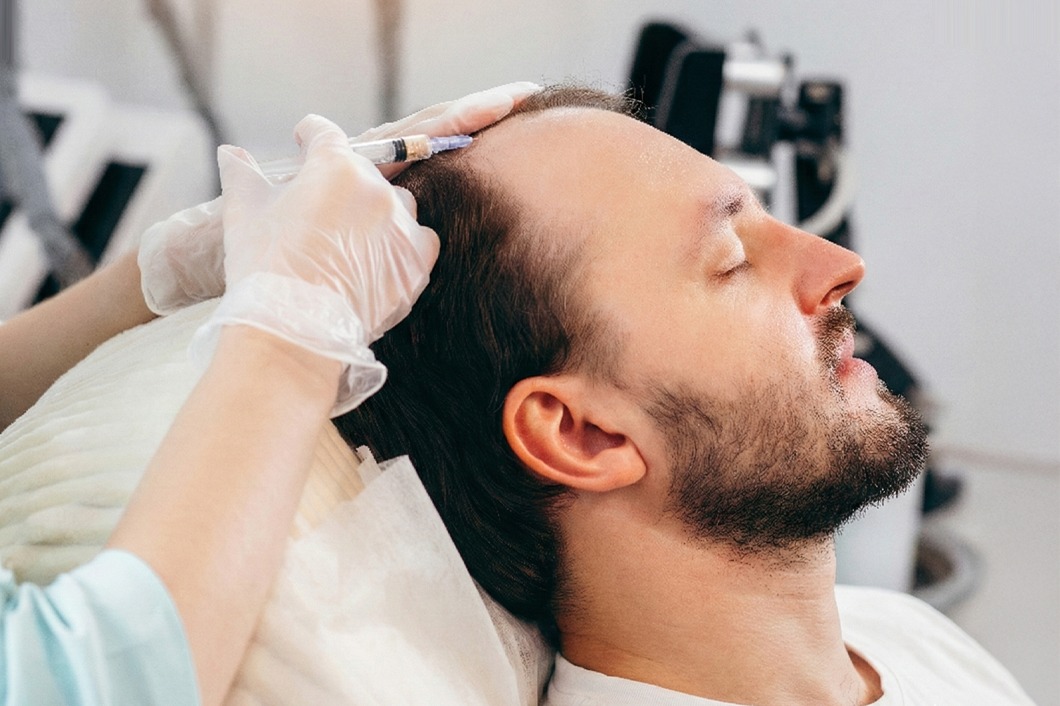
If you don’t know which type of hair loss treatment for men/women will be best for you, Cutis International can provide the following types of broadly based solutions: PRP therapy, topical minoxidil-based alternatives, low-level laser therapy (LLLT) and/or prescription medication that is
gender-appropriate and based on your particular pattern of hair loss. The best hair loss treatment, for male and female clients at Cutis International, is accomplished through combinations of expert medical consultation, applicable lifestyle recommendations and ongoing follow-up support after treatment.
Once you understand your reasons for losing hair and have implemented an appropriate, permanent solution to address your hair loss at Cutis International, you will not only be able to protect your existing hair, but you will also increase the health and strength of future regrowth.